

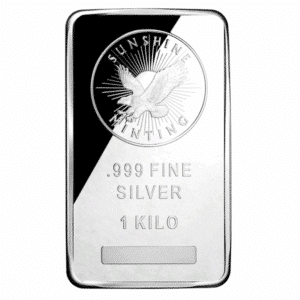
Silver purchases often begin with a simple question: which product offers the most metal for the money? Someone considering 1 kilo silver bars may be attracted by the quantity of silver in a single piece, but weight alone should not determine the decision. The relationship between premiums, storage, resale options, and purchasing goals deserves equal attention.
Silver differs from gold in several practical ways. Its lower value per ounce means that substantial holdings occupy more physical space. For buyers planning to accumulate metal gradually, the choice between large bars, coins, and smaller rounds can influence their entire ownership experience.
The Practical Appeal of Larger Silver Bars
Larger silver bars allow investors to acquire substantial metal weight without managing numerous individual pieces. Their relatively simple manufacturing requirements may also contribute to competitive premiums compared with more elaborate products.
However, buyers should compare actual quotations rather than assuming every large bar offers better value. Brand recognition, availability, dealer inventory, and demand can all affect pricing.
Size becomes particularly important when considering future sales. An owner who needs only a modest amount of cash may find selling a large bar less convenient than selling several smaller products.
Storage conditions matter too. Large bars are easier to organize by weight, but individual pieces remain valuable assets requiring protection against theft, damage, and misplacement.
Coins and Bars Serve Different Purchasing Goals
Silver coins appeal to people who appreciate government-issued bullion, recognizable designs, and consistent product specifications. Bars generally attract purchasers who prioritize straightforward metal ownership.
Buyers exploring a 5 oz silver coin should examine whether its price reflects bullion content, collectible demand, limited production, or a combination of these factors.
A beautifully designed coin may carry a higher premium than a comparable weight of ordinary silver bullion. Such differences are not necessarily unreasonable, but the buyer should understand the source of the added cost.
Investors primarily concerned with metal value may prefer products with relatively modest premiums. Collectors might reasonably place greater importance on design, condition, rarity, and personal interest.
Think About Selling Before Buying
Precious metals buyers sometimes focus entirely on acquisition and overlook how they might eventually dispose of their holdings. Yet a practical exit strategy can influence which products make sense.
Widely recognized products may attract interest from established dealers and private buyers. Less familiar items can require additional verification before a transaction is completed.
It is worth asking prospective dealers about buyback procedures, identification requirements, payment timing, and the method used to determine purchase offers.
Remember that resale prices are generally not identical to retail asking prices. The difference can be particularly significant when a product carries a collectible premium.
Silver Storage Requires More Planning Than Expected
Because silver has a lower value density than gold, a substantial silver holding can become surprisingly heavy. Storage choices should account for total weight rather than the number of items alone.
A secure cabinet or safe must be suitable for its intended load. Owners should also consider accessibility and whether products need separate protection to maintain their appearance.
Environmental conditions deserve attention, especially for collectible coins. Silver can develop toning or tarnish through chemical reactions, while poor handling may produce scratches and surface marks.
Although ordinary bullion bars may be less sensitive to cosmetic changes than premium collectible coins, sensible handling and appropriate packaging remain useful.
Compare Total Costs Instead of Isolated Prices
Silver purchasing costs extend beyond the displayed price of an individual item. Payment processing, shipping, insurance, applicable taxes, and storage fees can influence the overall expense.
When comparing different sizes, calculate the effective cost per troy ounce. This creates a more useful basis for assessing metal value across products.
However, a lower cost per ounce does not automatically make a particular purchase suitable. A large product could offer attractive pricing while creating difficulties with storage or partial liquidation.
The best choice reflects a balance between cost efficiency, convenience, marketability, and the buyer’s available budget.
Avoid Building a Purchase Strategy Around Price Predictions
Silver prices respond to many influences, including investment demand, industrial consumption, interest rates, currency movements, and economic expectations.
These forces make short-term price movements difficult to predict consistently. Even an apparently favorable market environment does not guarantee that silver prices will increase.
Rather than relying on forecasts, buyers can establish clear spending limits and decide what role physical silver should play in their broader financial plans.
Reviewing existing savings and investments is also important. Concentrating excessive resources in one commodity exposes owners to risks that diversification might otherwise reduce.
Conclusion
Silver ownership involves much more than choosing a weight and completing a transaction. Product recognition, premiums, storage requirements, and resale flexibility can all affect the long-term experience. Buyers comparing the silver products listed on gibraltarira.com can use these considerations to evaluate different formats without treating one size as universally superior. The most useful purchasing decision is one that balances practical ownership needs with realistic expectations about costs, market fluctuations, and future liquidity.